The Acceptable Ads Committee
The Acceptable Ads Committee (AAC) is an independent nonprofit that sets and oversees the Acceptable Ads Standard. The Standard draws a clear line between ads that should remain blocked and those that meet the requirements to be shown to ad blocker users who want to support the websites they love.
The AAC’s purpose is to protect users’ experience while helping publishers and content creators sustain their work. Our bylaws make clear that protecting users’ experience takes priority in carrying out this work:

“Protecting user experience must guide all actions undertaken by the AAC, and should remain its paramount objective.”
Making fair ad blocking possible
People have good reasons to block intrusive ads. They should not have to accept a poor experience to access the content they value. At the same time, advertising helps pay the people who create that content and keeps much of it freely available.
Fair ad blocking connects those needs. It gives users a way to block intrusive advertising while allowing a limited, ad-light experience that meets a public standard.
The Committee’s work is to define that standard. We investigate advertising experiences, examine research, and debate where the boundaries should be. We look for ways to support publishers and advertisers without compromising users’ experience.
Three perspectives. Equal voting power.
Good decisions require people who understand different sides of the online experience. The Committee brings together three coalitions, each with equal voting power.
For-Profit Coalition
The businesses that fund, deliver, and depend on advertising.
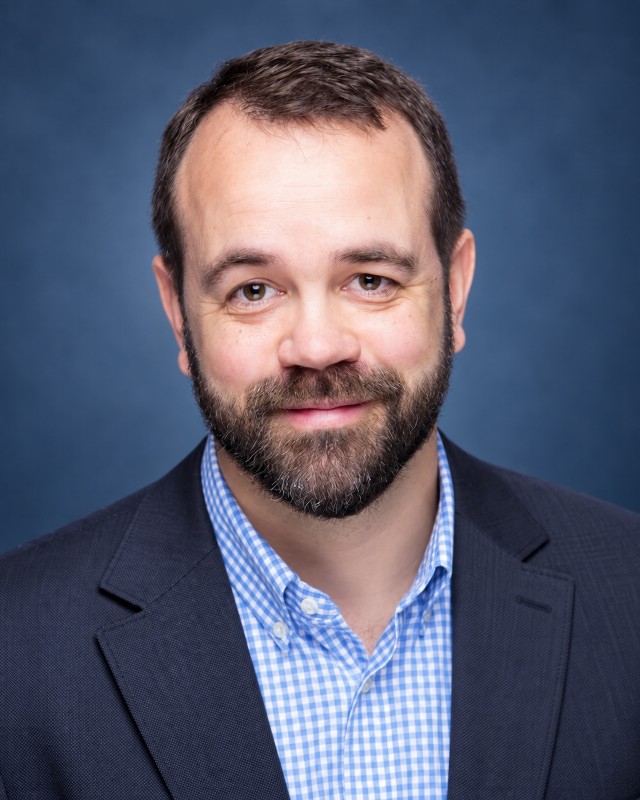
This coalition brings practical knowledge of how online content and advertising are funded and delivered. The coalition elects two representatives to speak for these businesses: one for the buy-side (including advertisers and agencies), and one for the sell-side (including publishers and content creators).
Expert Coalition
The people who research online experiences and develop the tools used to access them.
This coalition brings research and technical expertise to the Committee’s decisions. The coalition elects two representatives to speak for these groups: one for researchers and academia, and one for providers of browsers and related extensions (including ad filtering products).
User Advocates Coalition
The people who speak for internet users.
This coalition brings users’ perspectives and experiences to the Committee’s decisions. The coalition elects two representatives to speak for internet users, whether they use an ad blocker or not, giving users a direct role in deciding what is acceptable.
No coalition can change the Standard on its own. Representatives speak for their wider group, rather than the interests of any single company, organization, or individual.
Users help shape the Standard
The Standard is based on research into what users find acceptable. Users can also suggest changes, comment on public proposals, and help shape decisions through representatives who vote alongside industry and expert representatives.
When research supports a change, the Committee debates how to deliver its benefits with as little disruption to users as possible. Proposals are published for public feedback before a decision is made, and approved changes are introduced for a probationary period.

Leadership

Terry Taouss
President
Terry Taouss is the president of the Acceptable Ads Committee. A lawyer by training, he brings two decades of experience in digital media, combining a practical understanding of the industry with a commitment to the people it serves. Since his election in 2022, he has worked to strengthen user representation in the Committee’s decisions and brought that perspective to regulatory discussions in Canada, the United States and the European Union.
For-Profit Coalition
Advertisers, publishers, ad tech providers, and agencies that fund, deliver, and depend on digital advertising.
Representatives

Members
- Dell
- Dometic
- Keypath Education
- trivago
- Amazon
- Basis Technologies
- BuySellAds
- Rakuten Marketing
- Native Ads
- Instinctive
- The Media Trust
- Adtoma AB
- Criteo
- OKO Digital
- WowYow
- Sharethrough
- Skydeo
- System1
- Wunderkind
- Diagonal Minds
- D-Block
- Yieldmo
- DoorDash
- Unblockia
- Unibots
- AdButler
- Outbrain
- Neutronian
- Dable
- ThanksToYou
- LookListen
- The Tombras Group
- PartnerCentric
- TLGG
- Visiture
- MQuest Group
- 5-Star Marketing Advisors
- Good-Loop
- Strategus
- Stocktwits
- TED
- Future Publishing
- Local Media Consortium
- Leaf Group
- Viously
- The Inquisitr
- WeTransfer
- Beeler.Tech
- Freestar
Expert Coalition
Researchers, academics, and providers of browsers and related tools who bring research and technical expertise to advertising and user experience.
Representatives

Seat currently unfilled
Members
- BrandGlobe
- Spaceback
- Princeton University
- Boston University
- Institute for Internet Security
- Alliance for Audited Media
User Advocates Coalition
User advocates who represent the interests of internet users, whether they use an ad blocker or not.
Representatives

Lawrence Williams, PhD
Seat currently unfilled
Members
- Consumer Action
- Fight for the Future
- Dataskydd.net
- Plus other individual ad-blocking users
Committee bylaws
The bylaws establish the Committee’s mandate, core values, membership structure, elections, and decision-making rules. They also define how implementation is delegated and the limits of the Committee’s authority.
Read the current bylaws below.